Soft washing treats the right kind of soil with less force
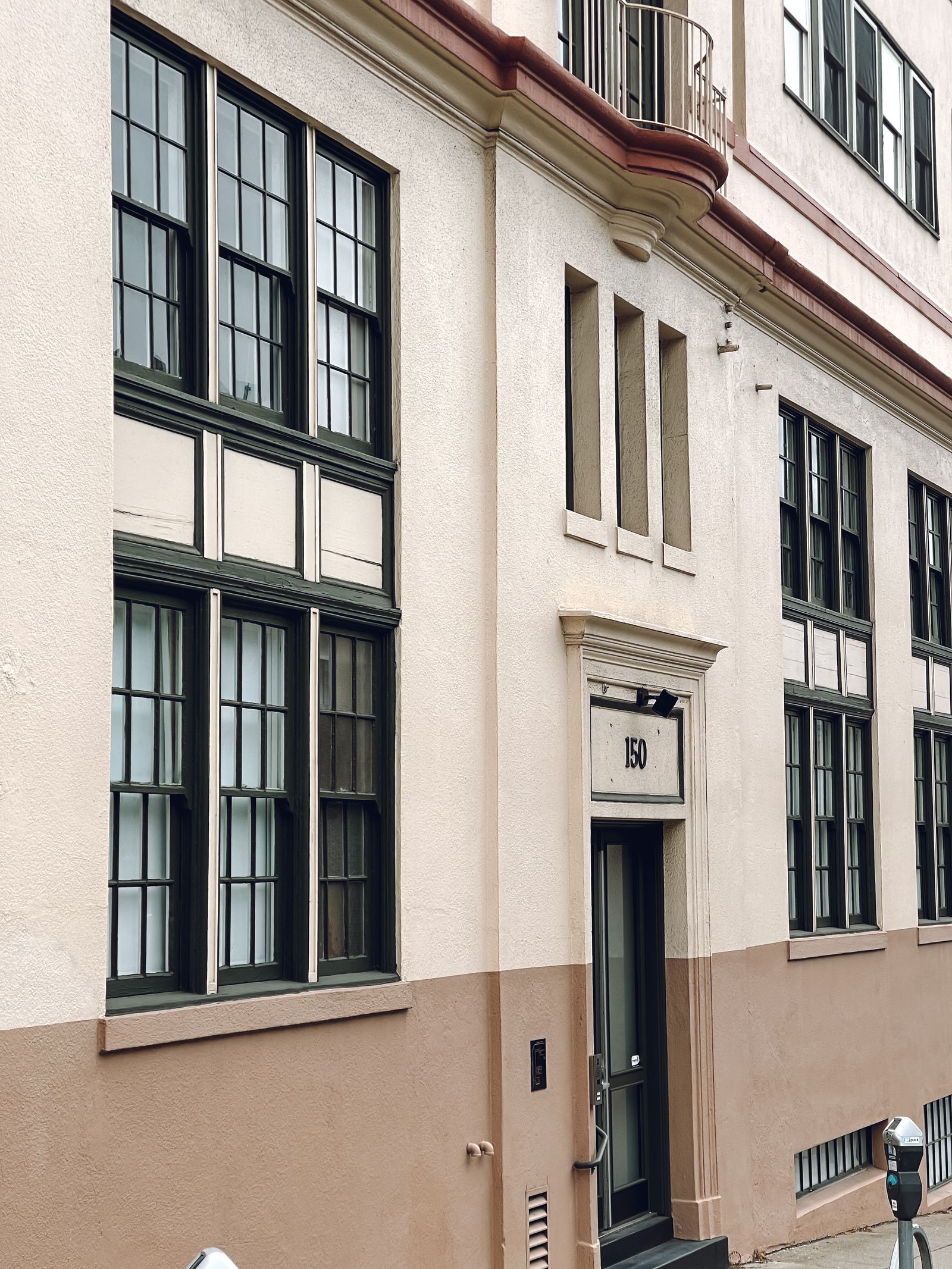
Soft washing generally combines a compatible cleaning solution, controlled dwell time, and a lower-pressure rinse for suitable organic and atmospheric soils. The aim is to loosen or treat the contaminant without using unnecessary force against the building. It may help with algae-like staining, pollen, mildew-like growth, bird residue, and some traffic film on compatible brick, concrete, painted surfaces, stucco, EIFS, and other materials after evaluation. It is not a promise that every dark mark will disappear. Mineral scale, oxidation, embedded soot, road salt, failed coatings, and a leaking roof edge may require another treatment or repair review.
The key word is compatible. Chemistry can affect plants, metals, coatings, sealants, glass, finishes, and runoff. An Akron proposal should identify protection, test areas, dwell-time limits, rinsing, and what happens if a surface reacts differently than expected. On an occupied site, a careful soft wash also includes entrance controls, air-intake review, hose routing, and water management. Calling a process low pressure does not by itself describe a complete or responsible method.
- Best fit: compatible organic growth, pollen, mildew-like staining, bird residue, and some atmospheric film.
- Requires review: brick, mortar, EIFS, stucco, coatings, sealants, plants, metals, glass, and nearby tenants.
- Does not replace: masonry repair, coating replacement, leak diagnosis, corrosion treatment, or glass restoration.
Pressure washing has a narrower but useful role
Pressure washing can help on durable, compatible surfaces and localized deposits when the operator controls pressure, flow, nozzle, angle, distance, overspray, and runoff. It may have a place on selected concrete walks, curbs, loading aprons, parking structures, and hardscape, subject to the site's operating and drainage conditions. Pressure can also support a targeted rinse after a compatible treatment. It is less useful when the mark is bonded mineral scale, oxidation, a failing coating, or an envelope problem.
Too much force can etch concrete, expose aggregate, damage mortar, drive water into joints, lift paint, mark EIFS, disturb sealants, and push water behind panels or openings. An older Akron brick wall exposed to repeated freeze-thaw cycles may have weak mortar that looks sound from the ground. A pressure number advertised without nozzle, distance, flow, surface, and operator control does not predict the outcome. The real question is which zones can tolerate controlled pressure and which need treatment, a gentle rinse, hand work, or restoration.
- Consider it for evaluated concrete, selected hardscape, and localized durable surfaces.
- Avoid treating pressure as a substitute for identifying the contaminant or substrate.
- Expect lower tolerance around old mortar, painted finishes, EIFS, sealants, and openings.
Akron's soil and seasons can change the answer
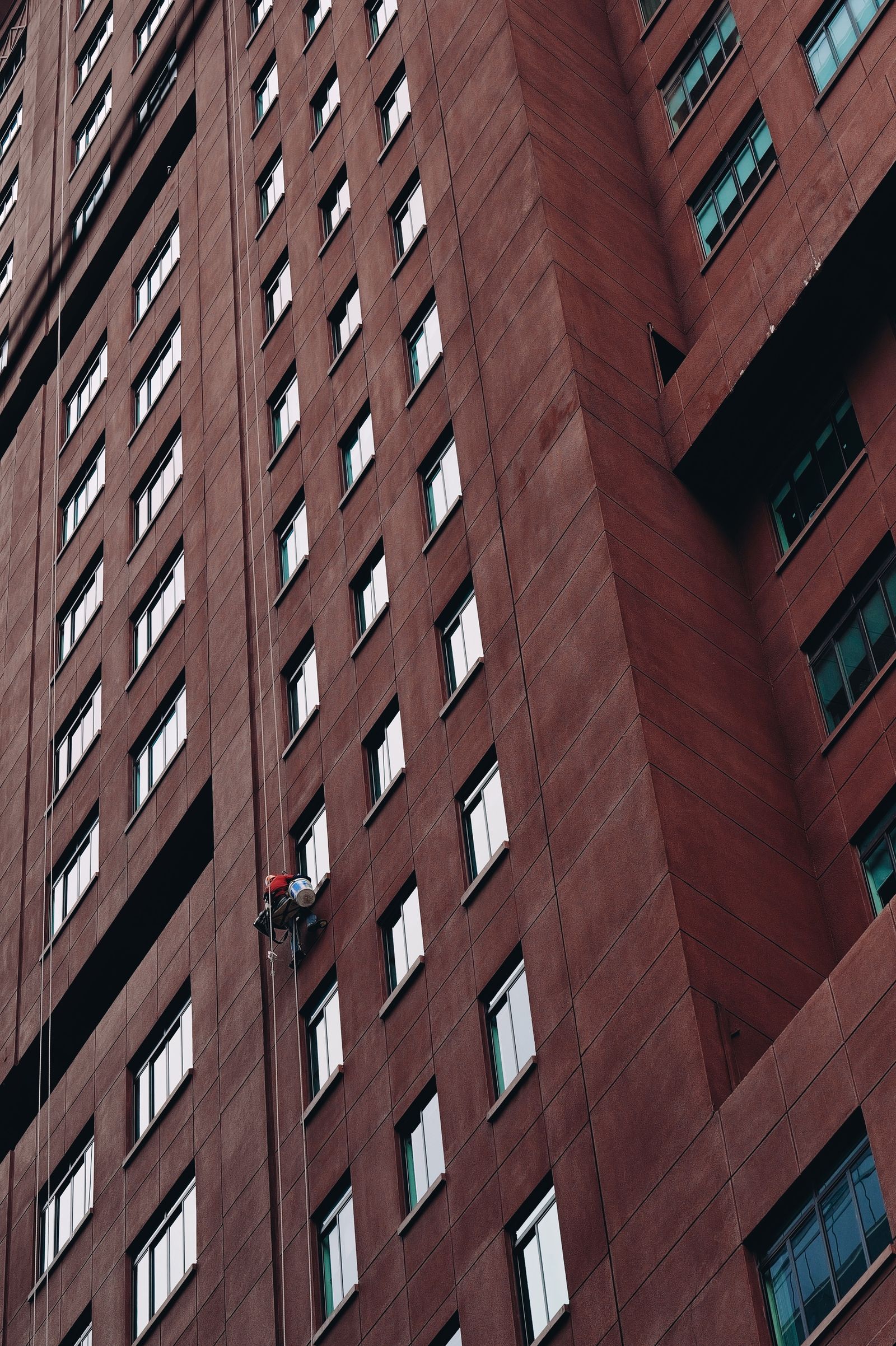
A black or green mark on an Akron facade can reflect different causes. Shaded north walls in Highland Square or North Hill may hold organic growth and pollen. A lower wall beside a Route 8 or I-77 corridor may carry traffic film and winter brine. A dock or garage ramp may show salt, tire residue, and repeated wetting. A white trail below a parapet can be mineral movement, efflorescence, or a leak. A dark line under a gutter can be overflow. The method should follow the diagnosis, not the color of the stain.
Weather adds another layer. Lake-effect snow and cold snaps can leave masonry wet for longer periods, while freeze-thaw movement makes loose mortar, cracked sealants, and spalled concrete more consequential. Warm, humid summers and tree shade can support recurring biological staining. Rain and Akron's rolling grades can move rinse water toward catch basins, lower entries, and planted swales. A good plan accounts for temperature, wind, rain, drying time, snow storage, salt exposure, and the source of repeat staining before choosing chemistry or force.
Compare methods by building zone, not by slogan
A mixed Akron property may need more than one method. Soft washing may suit an algae-marked brick elevation after testing; controlled pressure may suit a durable concrete loading apron; hand or pole work may be better around storefront mullions and signs; and a lift or restoration contractor may be needed for fragile upper details. A hotel arrival, hospital entrance, apartment courtyard, and manufacturing dock also need different protection and scheduling. The method matrix should name the surface, suspected soil, test result, access, public controls, runoff plan, and expected finish for each zone.
This approach makes a quote easier to compare. Ask whether the price includes testing, plant and equipment protection, barriers, water access, runoff controls, setup and teardown, weather pauses, and documentation. Ask what is excluded when a deposit is mineral, oxidation, old paint, failed sealant, or a repair issue. A cheaper method can become expensive if it damages a coating or leaves the source of staining active. A more measured method can reduce rework and give the facilities team a clearer maintenance decision.
- Facade: identify the substrate, soil, test area, rinse method, and access method.
- Entry and storefront: protect people, glass, signs, doors, air intakes, and tenant operations.
- Lower wall and dock: account for salt, vehicle traffic, slopes, catch basins, and recovery needs.
- Upper wall: confirm wind, stand-off, airspace, launch or lift space, and ground coordination.
Ask the questions that reveal a sound Akron plan
Before approving a commercial cleaning scope, ask what the contractor believes is causing the staining and how that belief will be tested. Ask which materials will receive chemistry, pressure, hand work, or no work. Ask how the team will protect landscaping, vehicles, employees, patients, customers, outdoor dining, electrical equipment, and air intakes. Ask where water will go from a sloped sidewalk or dock, what happens at a catch basin, and who can stop the work when wind, traffic, or runoff changes.
If aerial support is proposed, ask which elevations require it, what controls apply near roads, utilities, trees, buildings, and Akron-Canton Airport, and what work remains on the ground. Commercial drone operations must follow applicable Federal Aviation Administration requirements; a tall wall does not automatically make a drone the best answer. The proposal should also explain weather pause triggers, rescheduling, test-area results, included elevations, limitations, and the documentation delivered at completion.
Turn the comparison into a practical quote
Send the property address, building use, approximate height, facade materials, problem areas, photos, desired timing, water access, nearby drains, tenant or production constraints, and any known leaks or repairs. Mention whether the property sits on a grade, has a parking deck, stores snow against the wall, shares a drive aisle, or has sensitive entrances. Those details help distinguish a soft-wash service from a pressure-washing-only request and help identify a hybrid scope when that is the better fit.
Contact Drone Building Cleaners at +1 239-351-2897 or contact@dronebuildingcleaners.com to get in touch. We can discuss the desired result, review where soft washing or controlled pressure may fit, and identify where another access or restoration method is needed. The goal is a clear, Akron-specific decision about surface, soil, protection, drainage, schedule, and expected result before the crew arrives.